Residential Gutter Materials Compared: Aluminum, Steel, Copper, and Vinyl
People seeking residential gutters installation often want durable, attractive materials; local contractors can help them choose and install the best options like aluminum, steel, copper, or vinyl.
Understanding the differences between residential gutter materials such as aluminum, steel, copper, and vinyl is a practical step for property owners looking to enhance their home's protection and curb appeal. Each material offers distinct advantages in terms of durability, maintenance needs, and aesthetic appeal, making it important to choose the right option for specific property conditions and personal preferences. As property owners explore these options, they can find valuable insights that help inform their decisions and ensure their gutters perform effectively over time, especially when paired with professional installation services provided by local contractors.
Connecting with experienced service providers who specialize in residential gutter installation can make the process of selecting and installing the ideal gutter material smoother and more confident. Local contractors understand the unique climate and property considerations that influence the performance of different gutter materials, ensuring that the chosen system not only looks great but also functions reliably. Continuing to explore the differences between aluminum, steel, copper, and vinyl helps property owners make informed choices that support long-lasting, functional gutters tailored to their home's needs.
- Residential gutters installation - homeowners considering different materials may seek local contractors to ensure proper fit and durability tailored to their climate.
- Aluminum gutter installation - those choosing lightweight, rust-resistant options often rely on local service providers for precise, long-lasting setup.
- Steel gutter installation - property owners needing strong, heavy-duty gutters for high-traffic or industrial-style homes can find local pros skilled in handling steel materials.
- Copper gutter installation - individuals interested in a premium, aesthetic look may contact local contractors experienced in working with copper for custom installations.
- Vinyl gutter installation - homeowners seeking affordable, low-maintenance solutions often turn to local service providers for quick and efficient setup.
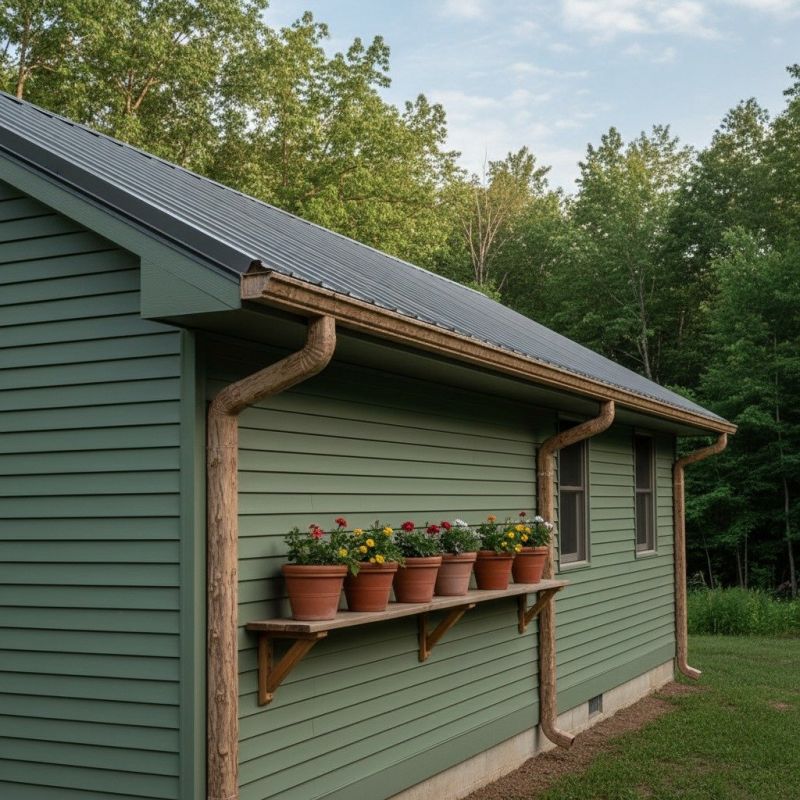
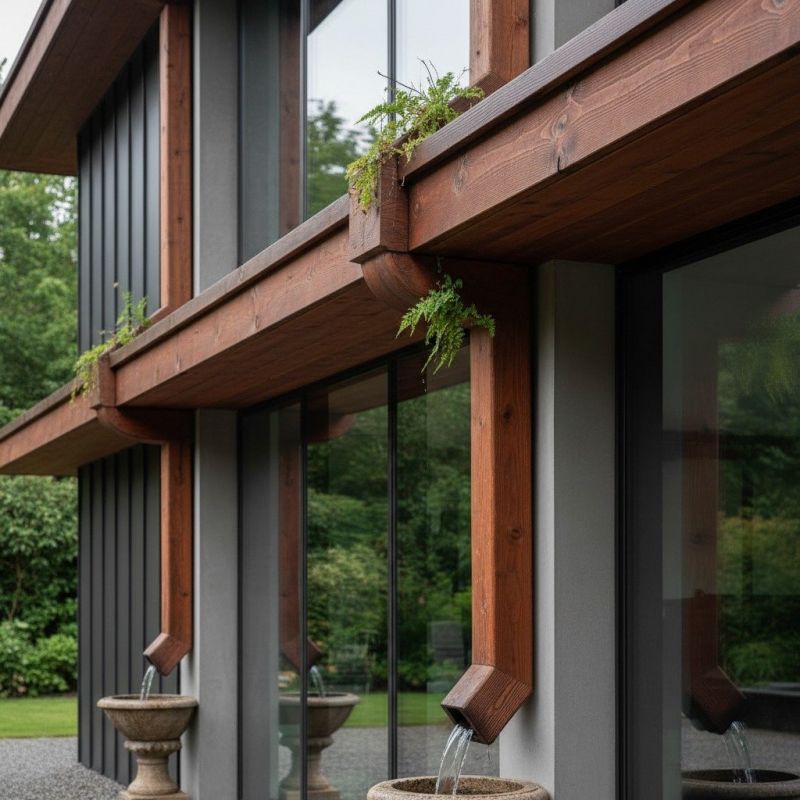

When homeowners search for information on residential gutter materials compared: aluminum, steel, copper, and vinyl, they are often trying to understand which option best suits their property’s needs. This topic typically relates to planning or upgrading gutter systems to improve drainage, prevent water damage, and enhance curb appeal. Many property owners are evaluating different materials based on durability, appearance, maintenance requirements, and long-term performance. Whether installing new gutters during a home renovation or replacing aging systems, understanding the strengths and weaknesses of each material helps in making informed decisions that align with the specific demands of their property.
The kinds of problems associated with gutter systems that lead homeowners to explore this comparison include leaks, rust, sagging, or frequent repairs. Certain properties, such as historic homes with decorative features or newer constructions with modern designs, often prompt questions about which materials will complement their architecture. Additionally, properties located in climates with heavy rainfall or snow might require more durable options to withstand harsh weather conditions. These considerations are essential when planning a gutter upgrade or installation, as choosing the right material can reduce ongoing maintenance and improve the overall effectiveness of the drainage system.
Typical properties that come up in discussions of residential gutter materials include single-family homes, multi-unit buildings, and historic or custom-designed residences. Smaller homes with modest budgets might lean toward vinyl or aluminum for their affordability and ease of installation. Larger properties or those with distinctive architectural features may benefit from the aesthetic appeal and longevity of copper or steel gutters. Regardless of the property type, many homeowners seek the expertise of local contractors who specialize in gutter installation. These professionals can help evaluate the property’s specific needs, recommend suitable materials, and ensure the installation is properly executed to maximize the system’s lifespan and performance.
Understanding the differences in residential gutter materials compared: aluminum, steel, copper, and vinyl, connects directly to real projects homeowners undertake. Whether replacing worn-out gutters or installing new systems to prevent water damage, choosing the right material is a crucial step. Local service providers who specialize in gutter installation can assist in assessing the property’s requirements, recommending appropriate materials, and providing quality workmanship. By comparing these options, homeowners can better align their choices with their property’s style, climate conditions, and long-term maintenance expectations, making informed decisions that support the durability and functionality of their gutter systems.
Metal fabrication projects - local contractors experienced in metalworking can handle custom fabrication tasks similar to installing copper or steel gutters, requiring precise cutting and shaping skills.
Roof flashing installation - professionals who install gutter materials often also work with roof flashing, which involves planning and sealing joints to prevent water intrusion.
Downspout and drainage system setup - connecting gutters to downspouts and drainage solutions shares planning and installation skills with various gutter material projects.
Exterior home improvement projects - tasks like siding or trim installation involve planning and working with durable materials, akin to selecting and installing vinyl or aluminum gutters.
Cladding and decorative metalwork - crafts involving copper or steel for aesthetic accents require similar metalworking techniques used in high-end gutter installations.
Waterproofing and sealing projects - applying sealants and ensuring watertight joints in roofing and siding work relate closely to gutter material installation and planning.
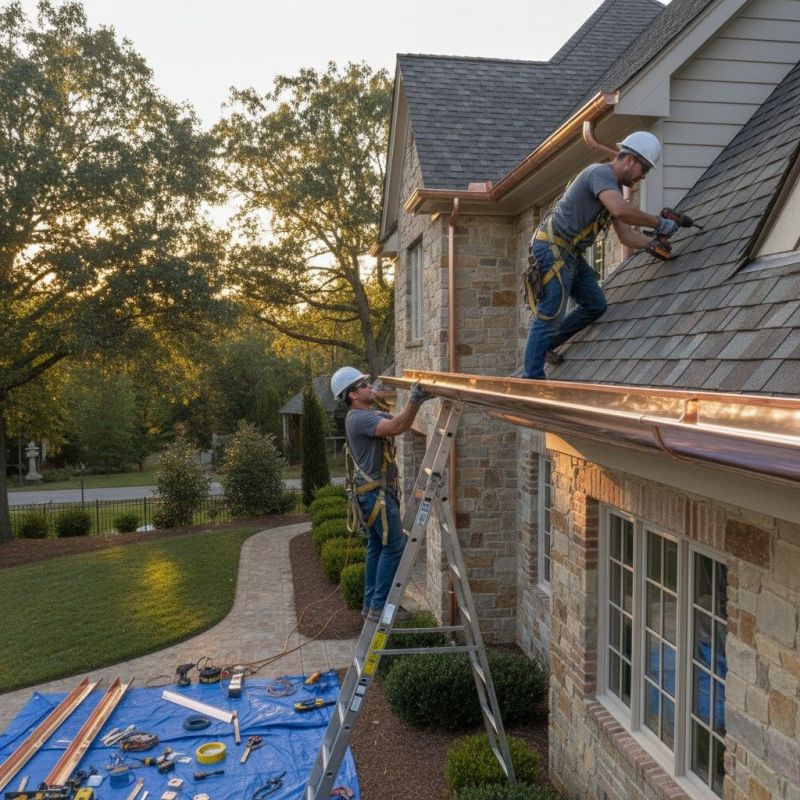
When evaluating residential gutter installation services, it is important to consider the experience of local contractors with similar projects. Homeowners should look for service providers who have a proven track record working with different gutter materials, such as aluminum, steel, copper, and vinyl. An experienced contractor will understand the nuances of each material’s installation requirements, durability, and aesthetic qualities, ensuring the chosen gutter system aligns with the home's needs and style. Checking references or reviews can provide insight into a contractor’s familiarity with these materials and their ability to handle the specific challenges that may arise during installation.
Clear written expectations are essential when comparing local contractors for gutter services. Homeowners should seek detailed proposals that outline the scope of work, the materials to be used, and the installation process. This transparency helps prevent misunderstandings and provides a basis for comparing how each service provider approaches the project. Well-defined expectations also include information about the preparation, installation techniques, and cleanup, which can impact the overall quality and longevity of the gutter system. Ensuring that contractors communicate openly about these aspects can lead to a smoother project experience and a more satisfactory outcome.
Reputable references and effective communication are key indicators of a trustworthy gutter installation service provider. Homeowners should inquire about past projects similar to theirs and ask for references to verify the quality of work and professionalism. Good communication from the contractor’s side involves prompt responses to questions, clarity about material options, and a willingness to discuss the advantages and disadvantages of different gutter materials. This level of engagement helps homeowners make informed decisions about the best gutter materials for their home while fostering a collaborative relationship throughout the project. Ultimately, choosing a contractor who values transparency and maintains open lines of communication can contribute significantly to the success of the gutter installation.
Property owners often search for residential gutter materials compared: aluminum, steel, copper, and vinyl when they are planning practical projects around their homes and businesses. Local pros provide Residential Gutters Installation services for everyday jobs and straightforward project options.
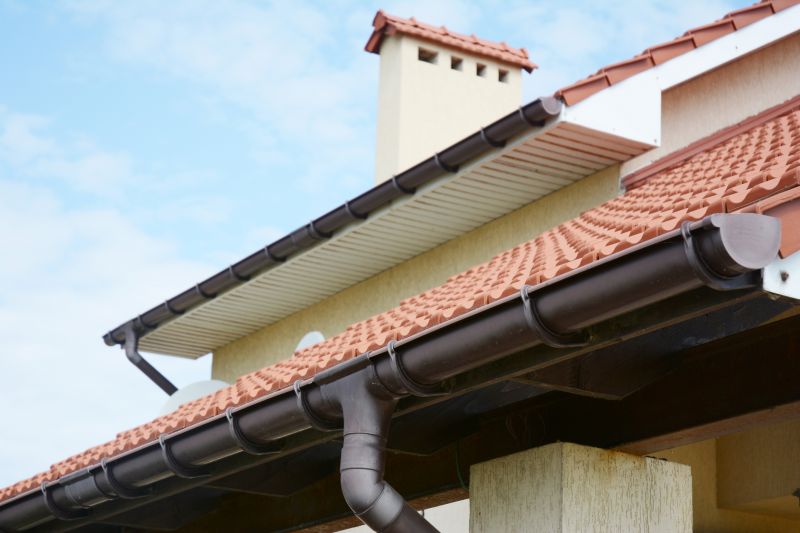
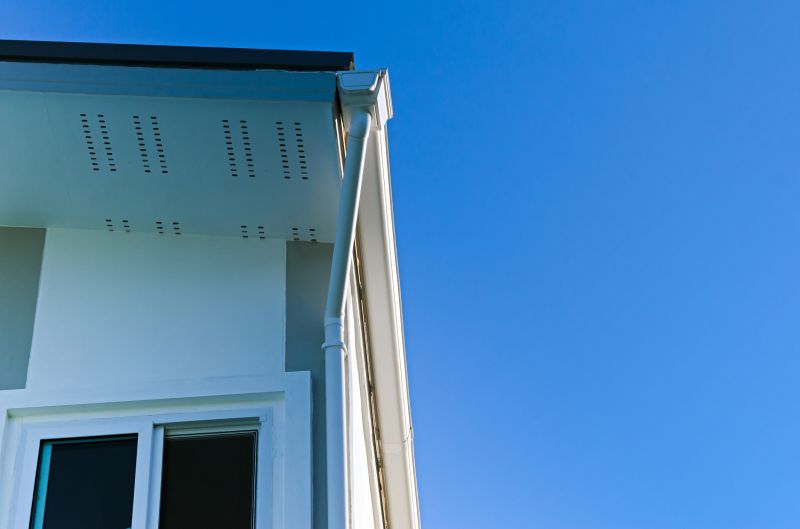
Understanding the differences between residential gutter materials compared: aluminum, steel, copper, and vinyl can help property owners make informed decisions when considering gutter replacements or new installations. Aluminum gutters are popular due to their lightweight nature and resistance to rust, making them a practical choice for many homes. Steel gutters, on the other hand, are known for their strength and durability, often chosen in areas prone to harsh weather conditions. Copper gutters offer a distinctive appearance and can develop a unique patina over time, appealing to homeowners seeking a more decorative or long-lasting option. Vinyl gutters are typically the most affordable and easy to install, making them a common choice for DIY projects or budget-conscious property owners.
When exploring residential gutter installation services, property owners often consider how each material performs in everyday situations. Local contractors can help assess the specific needs of a home, such as exposure to moisture, aesthetic preferences, and maintenance requirements. For example, those looking for a low-maintenance, cost-effective solution might lean toward vinyl, while homeowners interested in a classic look with added durability may prefer copper or steel. Understanding these differences can guide property owners in choosing the right gutter material that aligns with their home's environment and personal style, with local service providers ready to assist in the installation process.
What are the main differences between aluminum, steel, copper, and vinyl gutters for residential installation? Residential gutter materials compared: aluminum, steel, copper, and vinyl vary in durability, appearance, and maintenance needs. Local contractors can help determine which material suits specific home styles and conditions.
How does the material choice impact the longevity of residential gutters? The longevity of gutters depends on the material: aluminum and copper tend to last longer, while vinyl may need replacement sooner. Local service providers can advise on the best options based on climate and home exposure.
Are some gutter materials more resistant to weather and corrosion than others? Yes, materials like copper and galvanized steel offer higher resistance to corrosion, whereas vinyl is more susceptible to cracking in extreme temperatures. Local pros can recommend the most weather-resistant options for a given area.
Which gutter material is easier to install for residential projects? Vinyl gutters are generally easier to install due to their lightweight nature, while metal options like aluminum and steel may require more specialized skills. Local installation service providers can ensure proper fitting and secure attachment.
Can local pros help with choosing the right gutter material for specific home needs? Absolutely, local contractors can evaluate a home's architecture, climate, and maintenance preferences to recommend the most suitable gutter material from residential gutter materials compared: aluminum, steel, copper, and vinyl.
Durability considerations - Property owners can explore which residential gutter materials compared: aluminum, steel, copper, and vinyl, best withstand local weather conditions by consulting local contractors experienced in gutter installation. Material maintenance needs - Understanding how each gutter material performs over time helps homeowners plan for upkeep and select the most suitable option with guidance from local service providers. Appearance and style options - Choosing between different materials allows property owners to match gutters to their home's aesthetic, with local pros offering advice on available finishes and designs. Installation techniques and compatibility - Different gutter materials require specific installation methods; local contractors can ensure proper fitting and long-term performance for each type.
If you are thinking about residential gutter materials compared: aluminum, steel, copper, and vinyl for a property, this guide is meant to help you understand this topic, the typical project types, and how different options might fit your plans.
When you are ready, you can use the quote form on this page to share a few details about your project. From there, local pros can review the basics and follow up with options that match what you have in mind.